
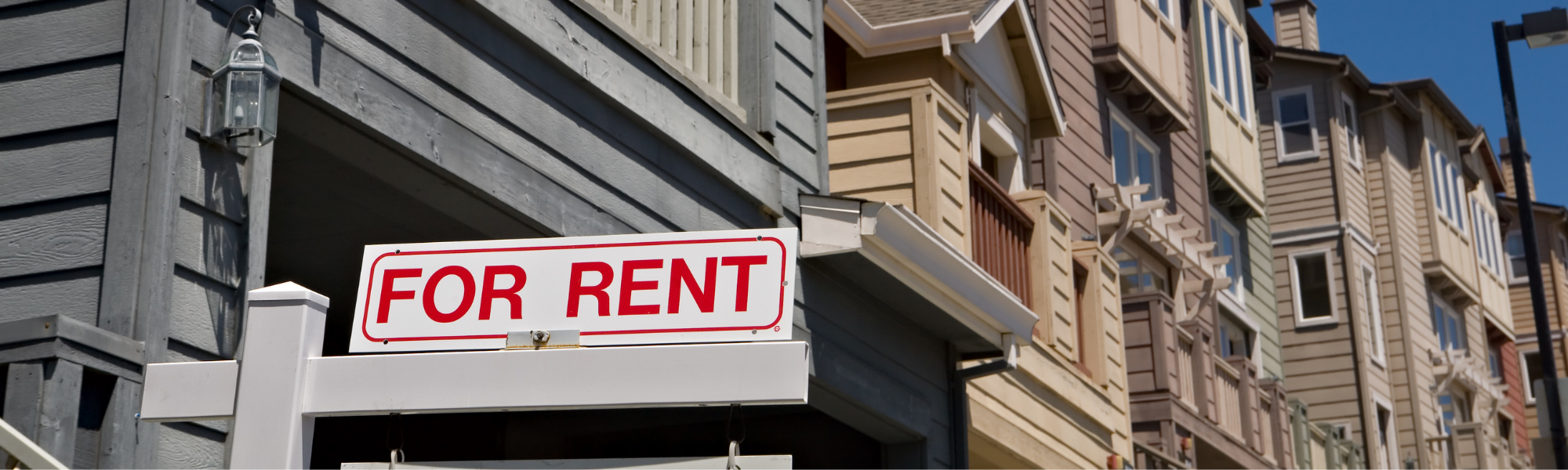
Moving into your first apartment or home is a big milestone. It is exciting, maybe a little stressful, and full of decisions you may not have had to make before, from setting up utilities to figuring out what you actually need on move-in day.
The good news is that getting settled does not have to be complicated. A simple apartment move-in checklist can help you protect your belongings, avoid common first-time renter mistakes, and feel more comfortable in your new space.
Key Takeaways
Moving into your first apartment is easier when you focus on a few important steps early in the process:
- Review your lease ahead of moving in so you understand rent due dates, utility responsibilities, maintenance procedures, and any renters insurance requirements.
- Consider renters insurance as part of your first apartment checklist, since a landlord’s policy generally does not cover a tenant’s personal belongings.
- Document the apartment’s condition before unpacking by taking photos and videos of any existing damage.
- Set up utilities and important services before move-in day, including electricity, internet, parking, and mail or package details, as applicable.
- As soon as you move in, check basic safety features such as smoke alarms, carbon monoxide detectors, locks, emergency exits, and contact information for maintenance.
- Ask your landlord or property manager before painting, drilling, or making other changes that could affect your security deposit
1. Review your lease before move-in day
Even before you pack up your first box, take time to read through your lease agreement. It may not be the most exciting part of moving, but it can help you understand what is expected of you as a renter.
Look for details about:
- Rent due dates and accepted payment methods
- Utility responsibilities
- Parking, pets, guests, and noise policies
- Maintenance request procedures
- Rules about painting, hanging items, or making changes to the apartment
- Renters insurance requirements
- Move-out notice requirements
Lease terms can vary by unit, landlord, property manager, and location, so it is worth checking the exact language in your agreement. If anything is unclear, ask your landlord or property manager for clarification in writing.
2. Set up utilities and important services
Setting up utilities is an essential part of any first apartment checklist. Some utilities may be included in your rent, while others may need to be set up in your name.
Common utilities and services include:
- Electricity
- Gas
- Internet
- Cable or streaming services
- Water and sewer
- Trash or recycling
- Parking
Confirm these details at least a few weeks before move-in day so you are not left without power, internet, or building access when you arrive. You may also want to ask how mail and packages are handled, when trash or recycling is picked up, and whether there are any parking, elevator, gate, or shared-entry instructions for move-in day.
3. Document the apartment’s condition before unpacking
One of the most important things to do before moving into an apartment is to document the condition of the space while it is still empty. This can help you avoid confusion later about which marks, scratches, or issues were already there when you moved in, and may help support your case if questions about the security deposit come up.
Before unpacking, take clear photos and videos of:
- Floors, walls, ceilings, doors, and windows
- Appliances and fixtures
- Cabinets, countertops, sinks, tubs, and toilets
- Scuffs, cracks, dents, carpet stains, or chipped paint
- Any signs of leaks, water damage, or pest issues
Save these files somewhere secure, such as a dedicated folder in the cloud, and share any concerns with your landlord or property manager as soon as possible. If your property provides a move-in inspection form, complete it carefully and keep a copy for your records.
4. Protect your belongings with renters insurance
Many first-time renters assume their landlord’s insurance protects everything inside the apartment. However in most cases, a landlord’s property insurance is designed to cover the building itself, not a tenant’s personal belongings.
Check your lease to see whether renters insurance is required by your landlord or property manager. Even if it is not required, renters insurance can be worth considering as part of your move-in checklist because it may help create a financial safety net for your belongings while you are renting.
As you review renters insurance options, consider these steps:
- Work with an independent insurance agent to compare deductibles, coverage limits, exclusions, and policy conditions before choosing coverage. An agent can also answer questions about how a policy may apply to your situation.
- Ask about possible discounts. Depending on the insurer, you may be able to save by bundling renters insurance with auto insurance, maintaining certain safety features, or qualifying for other available discounts.
- Look at whether the policy includes liability coverage or additional living expense coverage if your rental becomes temporarily unlivable due to a covered event.
- Review personal liability coverage, which may help if someone is injured in your rental or if you are found responsible for accidental damage to someone else’s property, depending on the policy.
- Make a simple home inventory of belongings such as furniture, clothing, electronics, appliances you own, and other personal items.
- Estimate the value of your belongings so you have a better sense of how much personal property coverage you may need.
- Keep a copy of your policy documents and your home inventory somewhere easy to access, such as a secure digital folder.
Coverage varies by policy, insurer, location, and situation, so it is important to review your options carefully. Before choosing a policy, read the terms, conditions, limits, and exclusions, and ask your agent questions if anything is unclear.
5. Check basic safety features
Once you have the keys to your place, take a few minutes to get familiar with the apartment’s safety features. This simple step can help your new apartment feel more secure from day one.
You’ll want to:
- Test smoke alarms and carbon monoxide detectors.
- Locate fire extinguishers, if provided, or ask your landlord or property manager whether you are allowed to keep one in the unit.
- Find emergency exits, stairwells, and any alternate ways out of the building or property.
- Ask where the main water shut-off is, if it is accessible to tenants.
- Make sure doors and windows lock properly.
- Confirm how to submit urgent maintenance requests, including who to contact after hours.
If something does not appear to be working properly, contact your landlord or property manager right away. It is also a good idea to keep your landlord or property manager’s contact information somewhere easy to access so you are not searching for it during a leak, lock issue, power outage, or other urgent situation.
When getting renters insurance, some companies may offer discounts for certain protective devices or safety features, such as smoke detectors, burglar alarms, monitored security systems, sprinklers, or other eligible devices. If your rental has these features, or if you are considering adding your own security camera or alarm system, ask your landlord or property manager what is allowed and ask your insurance agent whether any discounts may apply.
6. Decorate without risking your deposit
Decorating your first place and making it your own is one of the best parts of moving in. But before you start painting walls, drilling holes, mounting shelves, or swapping fixtures, check your lease for rules about modifications.
Renter-friendly options for decorating include:
- Removable wall hooks
- Tension rods
- Area rugs
- Freestanding shelving
- Lamps and soft lighting
- Curtains, plants, and washable textiles
- Furniture that adds storage without needing to be mounted
Be careful with anything that could leave residue, damage paint, scratch floors, or create holes in the walls. Even products marketed as removable can sometimes cause damage, especially on older paint, textured walls, or delicate surfaces.
When in doubt, ask for written permission before making changes. Keep any approval with your lease documents so you can refer back to it later. This can help you avoid unexpected fees or disputes when it is time to move out.
7. Prepare for everyday emergencies
Ensuring you have a few basic items as soon as you move in can make apartment living easier and give you peace of mind if something were to ever happen.
Consider keeping:
- A small first aid kit
- Flashlights and extra batteries
- Basic cleaning supplies
- A plunger
- A small tool kit
- Extra phone chargers
- Important documents stored in one secure place, either physically or digitally
- A list of emergency contacts, plus the nearest urgent care or emergency room
You do not need to buy everything at once, but it helps to have the basics covered early. A few simple supplies and emergency contacts can make your first apartment feel more manageable from day one.
Frequently asked questions (FAQ’s)
Renters insurance is not typically mandatory by law, but some landlords or property managers may ask for it as part of the lease. If your lease requires renters insurance, review the terms carefully so you understand any coverage limits, proof of insurance rules, or deadlines.
Even when renters insurance is optional, it may be worth considering because a landlord’s insurance generally does not cover a tenant’s personal belongings. Depending on the policy, renters insurance may also include liability coverage and additional living expense coverage if your rental becomes temporarily unlivable due to a covered event.
Coverage details vary by policy, insurer, location, and situation. Working with an independent insurance agent can help you compare options, ask questions about coverage, and better understand how a policy may apply to your needs before choosing one.
It depends on your lease and property. Many renters need to set up electricity and internet in their own name, while water, trash, gas, or other services may be included or billed separately. Check your lease and ask your landlord or property manager at least a few weeks before move-in day if you’re unsure.
Some landlords allow changes with written permission, while others do not. Before painting, drilling, installing shelves, or using peel-and-stick products, review your lease and ask your landlord or property manager for approval. Making changes without permission could result in repair costs, cleaning fees, or deductions from your security deposit when you move out.
Document the apartment’s condition when you move in, report maintenance issues promptly, follow the lease terms, avoid unauthorized changes, and clean the apartment before moving out. Requirements can vary, so review your lease and local rules.
It depends on the issue, the lease, and applicable local requirements. Landlords commonly handle major property repairs, while tenants may be responsible for routine upkeep (like changing lightbulbs) or damage they cause. Check your lease and contact your landlord or property manager when something breaks.
Ready to enjoy your new space?
Your first place is more than a new address. It is the start of a new chapter, where you can build independence, settle into your own routines, and create a space that feels like home.
A little preparation can make that transition smoother. When you know what to expect, who to contact, and how to protect the things that matter most, it is easier to focus on settling in instead of second-guessing every detail.
Renters insurance can be part of that preparation. Whether your lease asks for coverage or you simply want to better protect your belongings, MyLifeProtected can help you explore options for your new apartment so you can choose coverage that fits your needs and budget.
Visit us online or call (888) 497-4538 to get started.
This article is for general informational purposes only and should not be considered legal, financial, insurance, or professional advice. Insurance coverage, lease requirements, landlord and tenant responsibilities, and local laws can vary. Review your lease, consult qualified professionals when needed, and read any insurance policy carefully to understand coverages, limits, conditions, and exclusions. MyLifeProtected does not assume liability for actions taken based on this content.
MyLifeProtected is an agency service of MassDrive Insurance Group, LLC, the licensed agent for all products.